
It`s time to rethink
food waste
Waste in the Supply Chain
Food waste and loss occur at every stage of the distribution system. From farm to distributor, and then from retailer to consumer, each additional link in the chain not only increases cost and complexity but also leads to greater waste. That’s why reducing food waste and loss can ultimately improve and streamline effective waste management.*
Consider this: every added step from farm to table extends the process by another day. As a result, mishandling, improper storage, drops, leaks, damage, and pests become more likely—worsening both financial and environmental impacts. Additionally, long transport times cause 15–20% of products to be damaged before they ever reach consumers.* This affects not only farmers but also forces intermediaries to apply higher markups per product due to the inevitable arrival of damaged or unsellable crops. The result is a system that’s more burdened and less efficient.*
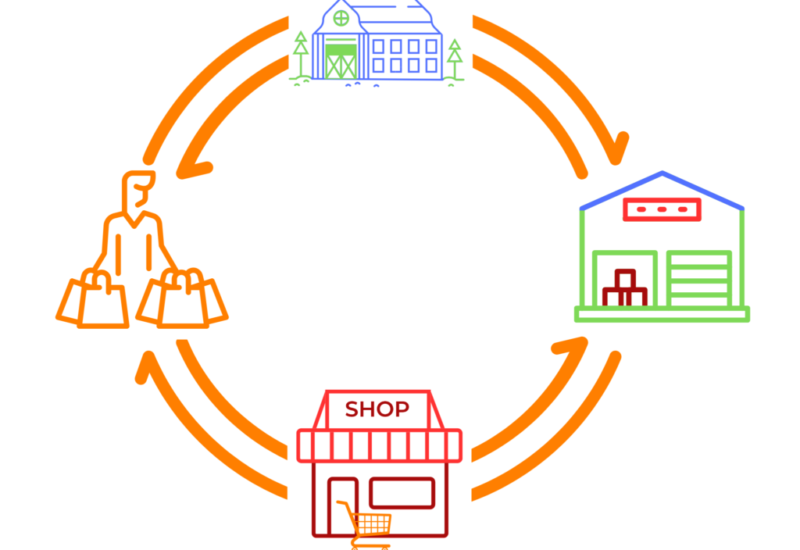
Waste Along The Supply Chain
Food waste is one of the leading contributors to human-driven climate change—and traditional waste disposal only worsens an already broken system. ORCA technology was designed with a single core goal in mind: to remove every garbage truck from the road. While that vision may seem simple, the message behind it runs much deeper. By eliminating trucks from the organic waste management process, we also remove the financial, operational, and environmental complexities associated with traditional waste systems.
In doing so, we take meaningful steps toward reducing our impact on the planet. This is the foundation from which the idea of Less Food Waste emerges.
ORCA aims to create an intuitive, organic waste management system that streamlines data collection, sustainability reporting, resource recovery, and responsible disposal—all within one piece of kitchen equipment.